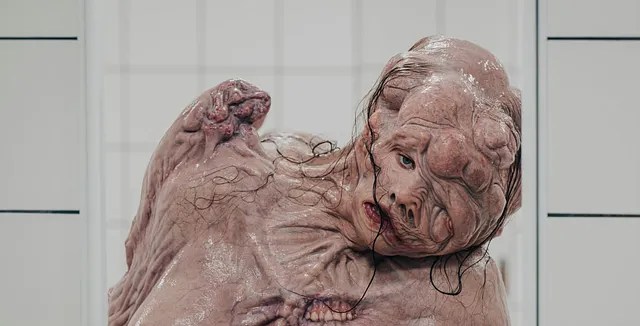
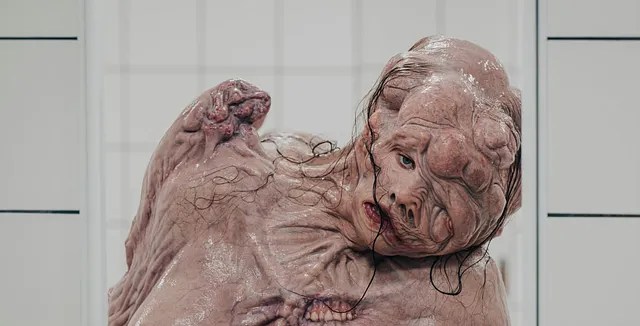
Body horror is a somewhat niche subgenre of horror which hosts its own (even more niche) subgenres. Here, I attempt to define them.
Everyone has expectations of how the people around them should look. There are expectations independent from any prejudices the individual may have, as well as expectations affected by prejudice.
When what we perceive differs from our expectation by a substantial enough amount, we begin to enter the territory of the uncanny valley. We begin to feel uneasy, nervous and scared. It is why so many people may find dolls or mannequins disturbing, and especially the more life-like ones.
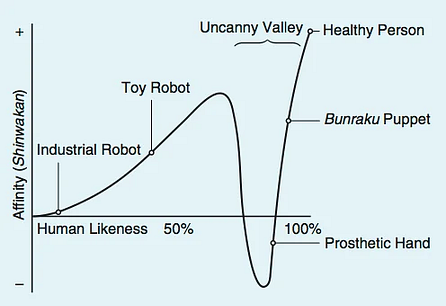
Body horror takes the syndrome of the Uncanny Valley to an extreme. Creeping dread is morphed into loud, gnawing terror. Oftentimes, a terror which cannot be escaped.
I have not found a reliable source of information regarding the subgenres of body horror. This post is my attempt to provide just that. Note that any given example can fall into multiple subgenres. For example, the trope of a ‘zombie virus’ could fall into the infestation subgenre, as well as the supernatural and desiccation subgenres.
There may be some objection to categorizing some subgenres based on the their origins (such as engineered horror needing to be done deliberately by a thinking party) rather than their aesthetics. However, I find it appropriate as the ‘cause’ of an instance of body horror usually influences the aesthetics.
Observed vs Experienced
The first distinction important to lay out between types of body horror — a margin which all body horror must land on either side of — is whether it is observed or experienced. In other words, whether fear is derived from one’s own body being altered or from witnessing another’s.
It is healthy and human to sympathize with our fellow man over the state of their body, but there is a big difference in the nature of the fear we feel witnessing another’s misfortune and experiencing it ourselves.
For example (limited in my experience of the game as I may be), in Dead Space, while you are terrorized by Necromorphs, humans transformed into horrible aberrations, at no point are you fearful of being turned into one yourself — though the thought might occur to you.
This then, is observed horror.
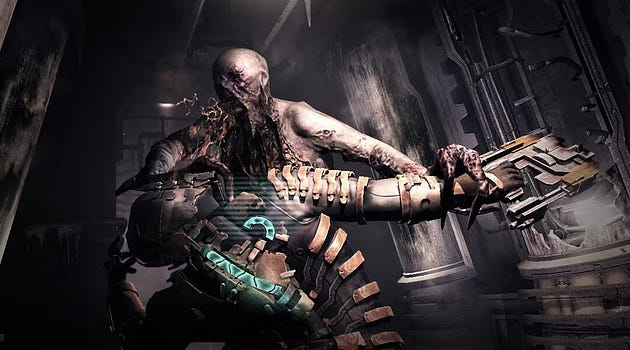
Experienced body horror evokes a unique aspect of fear. Once you are afflicted in body horror media, that’s it. There is rarely a way to be cured, though it is natural to hope. Your heart beats faster as you imagine how the malady will progress. You feel helpless to the processes of your own body — and this, in my opinion, is what makes body horror.
Type 1: Infestation (Biological Horror)
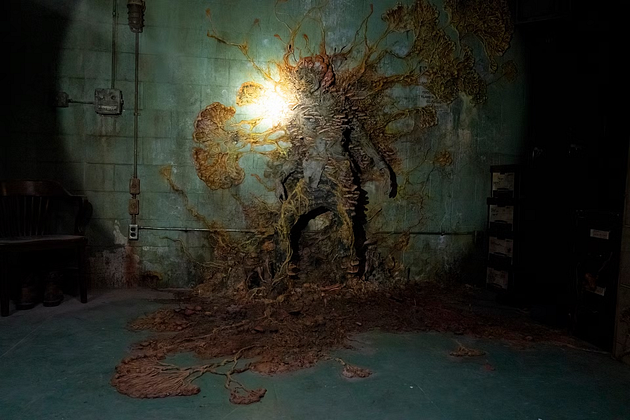
This subgenre is the first thing that comes to mind when I think “body horror”. It involves changes to a victim’s body by way of parasites or disease. It can be found in a large variety of books and movies.
Interestingly, works in this subgenre almost never take place in a clinical setting, as it would put some level of control back in the victim’s hand. While medical attention may be sought once symptoms start showing, it is usually the case that nothing can be done due to either the unprecedented nature of the infection/parasite, doctor incompetence or an inability to access medical care.
Observed horror can be quite interesting within this subgenre, as the fear of contagion springs to mind. Infections within this subgenre are the most likely to be transmissible. It can be extremely easy for the disease to be spread, whether by blood, saliva or even the air. This can lead to victims being ostracized and socially demonized.
Parallels can be drawn, in that regard, to the AIDS crisis in the 1980s, during which people affected with the disease were socially stigmatized and shunned.
Type 2: Engineered Horror
Engineered horror is a blanket term I use for multiple subgenres — all regarding the alteration of the human body by another party with or without deliberate intent.
This could range from humanoid robots created by an alien race, to biomechanical enhancements, to a man surgically transformed to a walrus.
Human cruelty knowns no bounds, and we cannot help but to dread new experiences. There is no telling what having your natural eyes replaced with three bionic eyes will feel like. However, some may find certain alterations desirable and welcome them with open arms. They may find flesh weak, and lust after the ‘timelessness’ of steel.
Mental health, I believe, is intrinsically linked to body horror and horror as a whole. Within this subgenre, characters’ desire for engineered replacements may resonate with the feelings of inadequacy many of us may have towards our own bodies.
Not all characters who find themselves in a work of this category may want any parts of their bodies to be replaced. The procedure may be forceful, which may be used as an allegory for societal expectations of appearance and health.
Subtype 2A: Mechanical Horror
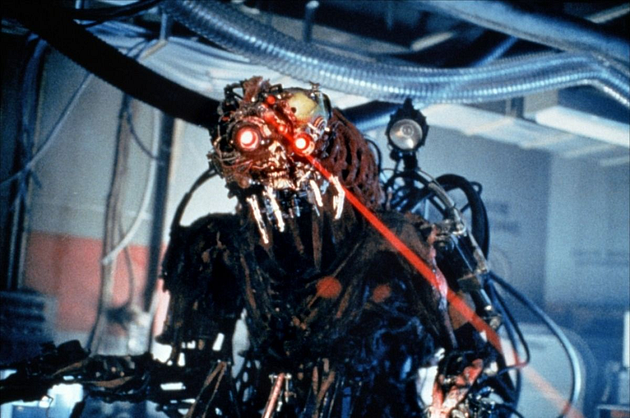
The existence of mechanical horror does not imply the existence of electrical horror. This relates to the fear of having body parts or organs replaced with machinery. This trope is widely used is cyberpunk settings which include a highly developed market for consumer prosthetics (citation needed).
Certain replacements, for example, a prosthetic limb, may not cause too much ire. Where things begin getting uncomfortable, in my opinion, is alterations made around the face/neck area. Especially when they do not go to any lengths to appear ‘natural’.
Note that other subgenres may make use of visuals frequently seen in mechanical horror, but may not belong to the subgenre due to not being created intentionally. The defining aspect of any subtype within this subgenre is the intentional alteration of the body by either a living being or a machine.
Subtype 2B: Genetic Horror
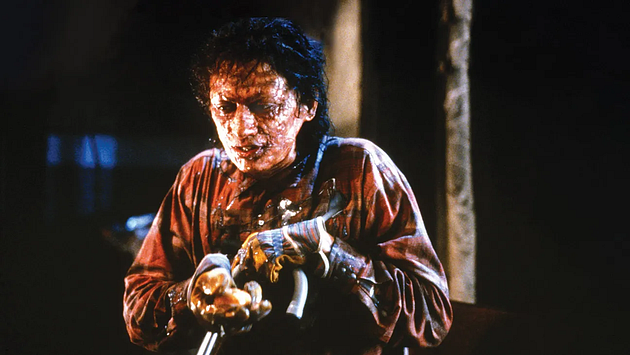
Who wants to play god? Genetic horror involves the intentional design of a new organism, whether it is a bio-engineered virus or a completely new (human-made) species. It could be tinkering with your own genetic code and having something go horribly, horribly wrong.
This subtype isn’t restricted to sci-fi settings and can also be present in fantasy. As anyone who’s seen Fullmetal Alchemist can tell you.
A good example of this category of horror is the movie Splice, where two errant biochemists create a human-animal hybrid and let their parental instincts take control of the experiment.
Another great example of this subgenre would be the movie The Substance. Although the movie does not focus on the development of the substance, the substance works through some form of genetic alteration.
Transformation within the category tends to involve a large variety of fleshy growths, tumours and wrinkles, as well as entirely new unnatural appendages such as wings, gills or additional limbs.
Subtype 2C: Surgical Horror

There are many cases of horrific botched surgery throughout history. In its early ages, surgical procedures also tended towards the barbaric side. Truly, the line between ‘surgery’ and ‘mutilation’ can be very thin.
This subgenre revolves around the human body being altered through surgical procedure. Characters in such media may find their bodies butchered beyond recognition or transformed into something else entirely, such as in the movie Tusk, where the protagonist is surgically transformed into a walrus.
It can be argued that all forms of mechanical horror are technically surgical horror, as the mechanical alterations would have had to been surgically installed. While that may be true, all surgical horror is not necessarily mechanical horror, as it is not necessary that a mechanical part was installed.
The difference between the two is whether the focus is on the surgical procedure where the mechanical parts were installed, or the actual mechanical alterations to the body.
The most popular example I can think of within this subgenre would be The Human Centipede. Of which, I shall not go into detail.
Type 3: Natural Horror
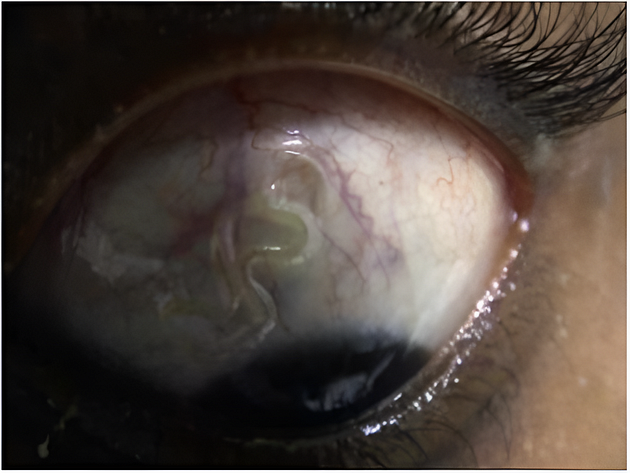
It is oftentimes said that nature can be stranger than fiction. Natural horror involves anything biologically shocking that has not been created by conscious intervention. Rather, natural horror occurs, well, naturally. An example from our own world is the female hyena, which gives birth from a pseudo-penis.
Certain real-life afflictions may also find themselves in this category such as gangrene and frostbite. They do not find themselves intersecting with the infestation subgenre as they do not work by pathogens or parasites.
Giving birth is not an affliction, though it can be both fascinating and horrifying. The same is the case with human intercourse, which can be grotesque depending on its portrayal. As we grow old, our bodies change in ways that not many people find desirable.
This category can apply to fictional examples, if the example is considered natural in the work of media.
Subtype 3A: Desiccation
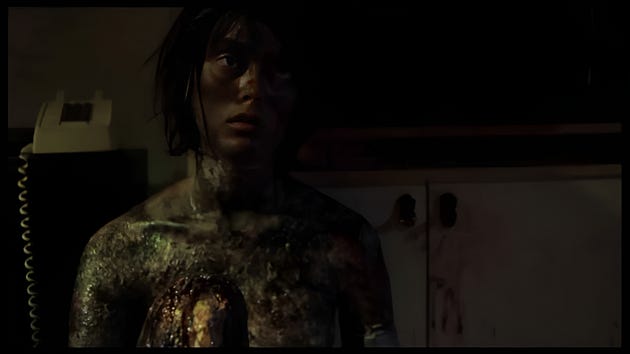
The process of a dead creature being returned to the Earth tends to be harrowing and disgusting. Decomposition includes the liquefaction of skin and organs to a putrid slop as decomposers feed on the body. Having to look at a rotting body would not be the worst of it, as they are also known to be quite smelly.
Desiccation can sometimes work hand in hand with other subgenres of body horror, namely infestation (i.e. zombies).
Everyone is scared of death. If not consciously, then instinctually. Seeing corpses, especially corpses in active decay, reminds us of where all roads lead.
It can be argued that this subtype truly belongs to the ‘melt’ subgenre. However, decay is a natural process, which lands it under ‘natural’.
Subtype 3B: Bloody Horror
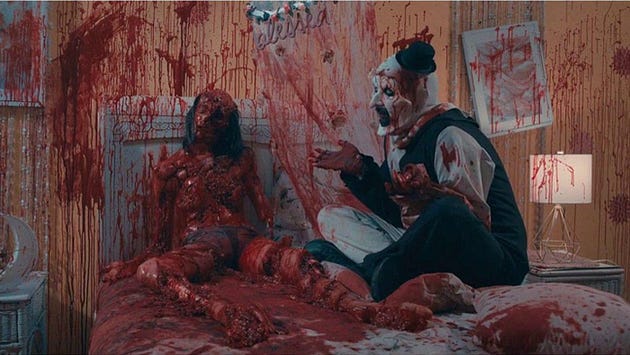
Graphic depictions of violence can elicit the same feelings as fear as body horror. Seeing a limb being amputated for example or seeing someone’s entrails being ripped out in a slasher movie.
The inner workings of a human body are completely natural and understood, yet it is a sight that not many people ever lay eyes on. Having the inner workings exposed is a fear that is likely engrained in our minds on a primal level.
A work of media that features bloody horror is not necessarily body horror. Many slasher movies feature such graphic depictions of violence, yet it would be a stretch to call them body horror. Although a body horror movie may certainly use bloody horror to supplement, or even as a main attraction.
Type 4: Supernatural Horror
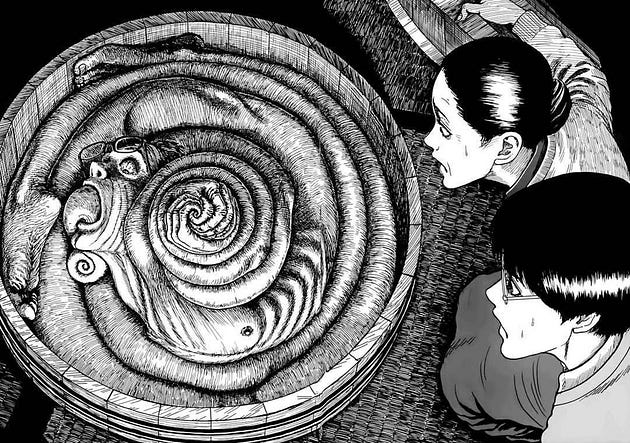
With the existence of body horror that is natural and explainable, comes the existence of body horror that is not.
That which dwells within this category has been manifested by otherworldly means. Ghosts, lycanthropes and vampires may all be examples of supernatural body horror, if their appearance (or transformation)is sufficiently disturbing.
I watched Malignant to do research for this essay, which I found to be a lacklustre movie. While the main villain’s appearance is grotesque, there is no specific cause behind it other than him being a paranormal entity.
Japanese horror media tends to involve humanoids with disturbing appearances which evoke feelings of body horror, though it is most often observed horror as opposed to experienced horror.
Subtype 4A: Curse Horror
I would consider curse horror to be the ‘true’ supernatural body horror. This is the category which lycanthropes and vampires (if their condition is caused by a curse) belong to.
Creatures in this category are afflicted by a curse which transforms them to something else, or otherwise affects their body in some disturbing way. Sometimes painfully, and sometimes permanently. A defined end goal for the transformation is not necessary for a work of media to belong to curse horror.
Type 5: Melt
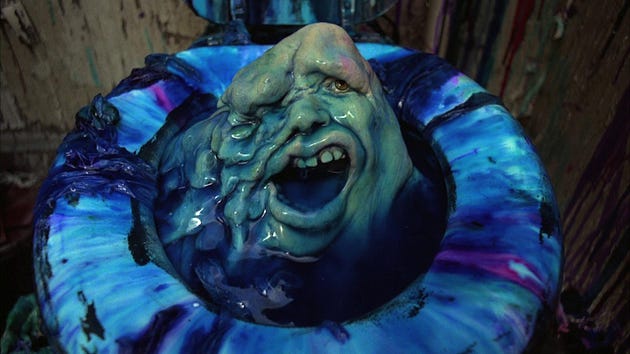
At what point does a human stop being a human? In the movie Street Trash, consumption of the eponymous beverage causes painful transformation to an unrecognizable sludge. The effect is immediate, and unavoidable.
Melt horror is concerned with humans being melted into an unrecognizable liquid or assimilated into an unrecognizable mass. It is a subgenre that is hardly utilized, but a subgenre that I find extremely effective.
The most important distinction with melt horror is whether the audience is questioning whether they are looking at a human being or not. While ‘Tetsuo: the Iron Man’ fits into the curse horror subgenre for most of its runtime (although, curse horror which looks very similar to engineered horror), towards the end, while Tetsuo looks like a heap of scrap metal, it begins to bridge the gap to being melt horror.
While the infestation subgenre plays on the fear of ‘wasting away’, the melt subgenre most strongly evokes the fear of pain as victims are excruciatingly turned into forms unrecognizable as human.
[1]: Masahiro Mori. (June 12 2012). The Uncanny Valley: The Original Essay by Masahiro Mori
https://spectrum.ieee.org/the-uncanny-valley
[2]: G S Bowler, A N Shah, L A Bye & M Saldana. (January 14 2011). Ocular loiasis in London 2008–2009: a case series
https://www.nature.com/articles/eye2010192


Leave a comment