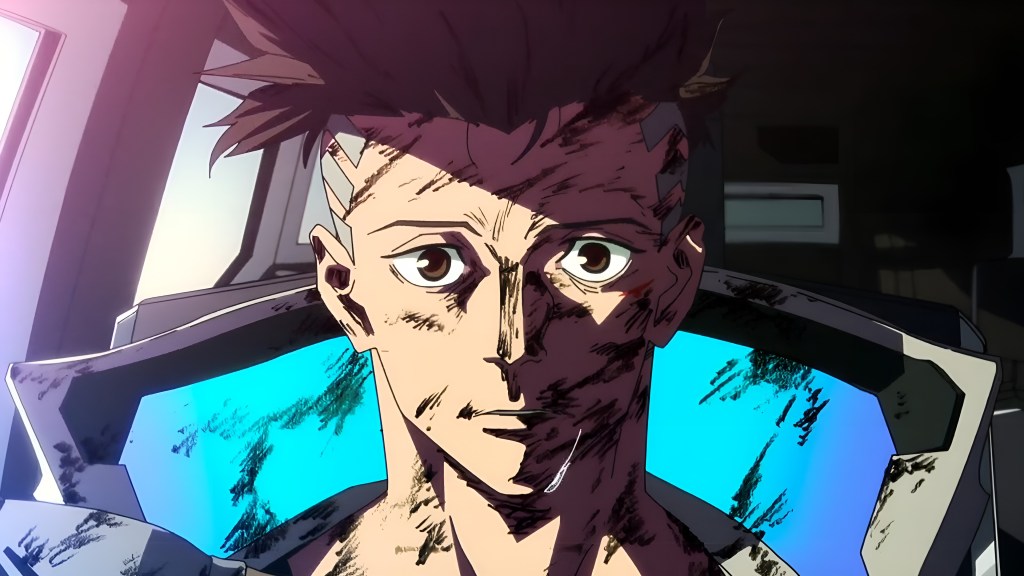
Cyberpunk Edgerunners is a gritty, stylish masterpiece that doesn’t grant its characters any protections from its own world.
The anime made its debut in 2022, released as a Netflix original in CD Projekt Red’s cyberpunk setting. As the second season is set to come out in a few weeks, I figured I’d say what the series meant to me.
When I started the show, I was in my cousin’s room trying to find something to distract myself with as he came in and out, tending to matters far more important than me. It wasn’t too hard to distract myself, the colours were eye-catching, and the themes were dark and gripping. Edgerunners was a neon-coloured wet dream and a nightmare, with commentary on capitalism, addiction and criminality. I binged the series when I got home that day, and so did my cousin.
Cyberpunk Edgerunners stays true to the “punk” In its name. The genre is focused on individuality, and our cast is a blatant demonstration of this. Their criminality is the only way for them to live fulfilling lives, with glamorous clothes and unique hairstyles. They reject the standard life path: join a big corporation, work long hours, barely manage to live comfortably.
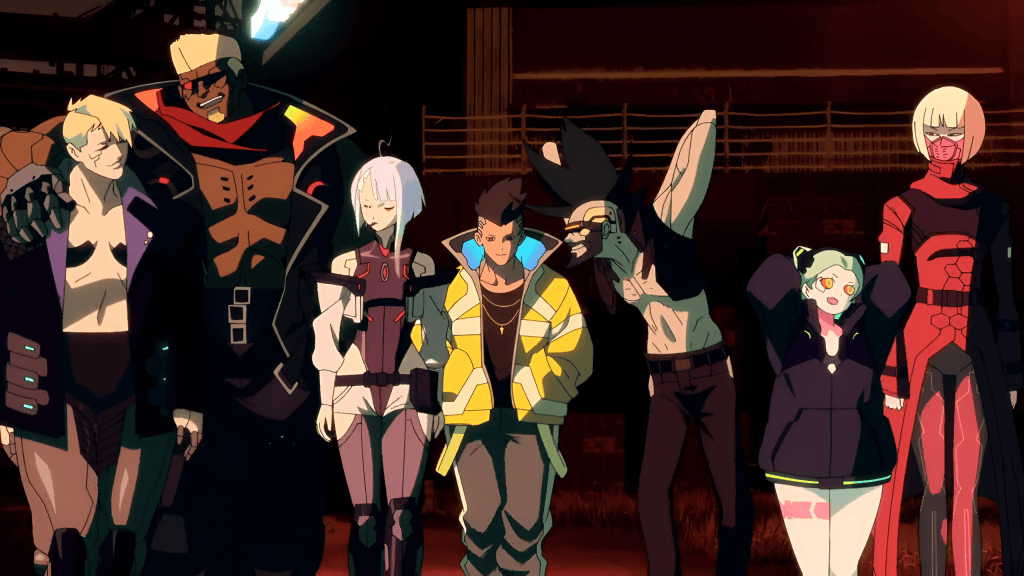
The anime follows a group of “edgerunners” throughout its ten-episode run time. A gang which takes on jobs from corporate executives to turn a profit. Our mercenaries check boxes off the lists of these companies without drawing attention to the companies themselves. They are, of course, disposable. The term “edgerunners” refers to the fine line these characters skirt between psychosis and sanity, life and death.
The world that surrounds them is capitalistic and suffocating, not unlike our own. With our protagonist, David, his descent to criminality is a familiar song. He has no way to continue his schooling, owes money to a gang, and he sees the profit in criminal activity that he would have no other way to attain.
Not only does it pay the bills, but it also gives David a sense of belonging. The gang that David falls in with provide found family. Their leader, Maine, fills the role of David’s absent father. Maine is a big, hulking man, experienced in the underworld but not yet beaten down by it. His huge arms are metallic augments, one of them conceals a single shell shotgun. Maine introduces David to the lifestyle: get chromed out, break free from the chains of hyper-capitalism, die painfully.
Though their criminality is understandable, the lifestyle has its consequences. You always look over your shoulders. Anyone involved in the life can tell you it only ends in one of two ways: death, or prison.
Pilar’s death is quick and unexpected, his head blown clean off in the fourth episode as he insults an almost catatonic junkie. The vagrant is afflicted by cyberpsychosis, an affliction caused by the disconnect between your organic body and its metal enhancements. As Pilar remarks, even the man’s pecker is chromed out.
Not only is his death shocking, no one in the cast except for Pilar’s own sister treats it as any matter to shed tears over. They handle the logistics of taking care of the body and explaining to the police what happened. Not once do they stop to grieve his death. It’s just how it goes.
Throughout the show’s run, the cast gets smaller and smaller, picked off as they succumb to their lifestyle. Or, more interestingly, they succumb to their obsession with chrome.
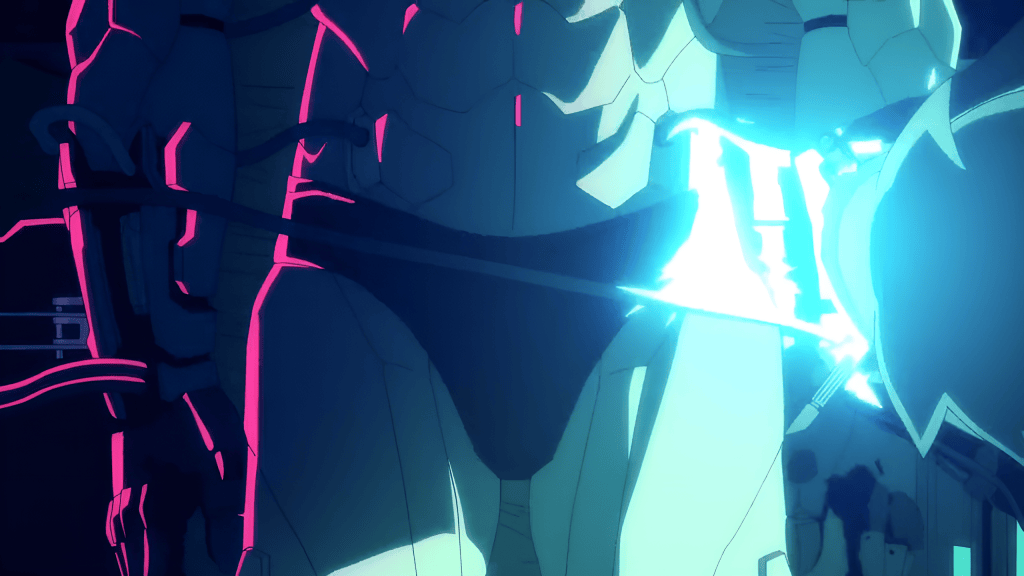
Cybernetics (chrome) are seen as a necessity for our cast. It makes their lives and jobs easier. It makes them more powerful. Chrome is power. However, as they replace their bodies with more and more implants, they become more and more unstable. More detached.
There is nobody who doesn’t have a limit. David’s mentor and father figure Maine succumbs to his need for chrome in episode 6 of season 1. His mind becomes detached from reality, and violent. All the metal that decorated what remained of his organic body had taken its toll on his mind, leaving him in a state of “cyberpsychosis”. When David confronts him about his deteriorating mental state, Maine lashes out at him. He slaps him and accuses David of thinking he’s weak.
This culminates on a botched job, leading to a doomed standoff against MAXTAC, Night City’s very own SWAT unit.
Maine dies right in front of David. His last words: “Just keep running.” Run away from the city. Run away from the lifestyle. Run away from the chrome eroding him, bit by bit.
The next time we see David, he is notably more augmented. He has not run from the lifestyle, but spiralled further into its clutches. What was once a skinny, naïve boy has become a beefy, experienced man, decked out head to toe in expensive and bulky hardware. Synthetic musculature bulges from his once light build. His surgeon remarks that he has never seen someone with such a tolerance for cyberware. David says he can take it. He’s special.
In the end, he isn’t. David succumbs to the same thing that led Maine to his end. The same thing that led the homeless junkie pissing in the garbage can to his. Even with all that chrome, all those augments, when he comes face to face with Adam Smasher, he is completely out of his league. The Sandevistan is just another tool in Smasher’s arsenal. A “rudimentary implant”.
Addiction goes hand in hand with criminality. It eases the stress of the constant scanning for danger. It’s so, so easy to say, “I’m special, I’ll be different.” Few people really are. Before you know it your loved ones have track marks on their arms. Before you know it, your friend drowns on vomit under the spell of an opiate’s lullaby, never to wake again.
Just keep running.


Leave a Reply